


AI in FinTech, RegTech & SupTech: Four Reflections on Stakeholder Perspectives
This post summarises key reflections and takeaways from a closed-door roundtable series co-hosted by Columbia University’s Center for Digital Finance and Technologies and Digital Transformation Solutions (DTS) in New York, bringing together senior professionals from the public and private sector to examine AI’s real-world impact on financial services.
AI in FinTech, RegTech & SupTech: Reflections from the NY Innovation Community

This post summarises key reflections and takeaways from a closed-door roundtable series co-hosted by Columbia University’s Center for Digital Finance and Technologies and Digital Transformation Solutions (DTS) in New York, bringing together senior professionals from the public and private sector to examine AI’s real-world impact on financial services.
Stablecoins: New Wrapper, Old Problems
Stablecoins may use new technology, but they perform the same core functions as traditional banking — issuing redeemable liabilities, processing payments, and managing settlement risk — making them closer to narrow banks than to a genuinely new financial category. This blog from the Deputy Governor of the Central Bank of Chile argues that effective regulation must follow economic function rather than interface design, and that SupTech tools like real-time monitoring and algorithmic stress tests are essential for closing the supervisory gap.
From the Innovation Leaders Residency to a Concrete SupTech Project
The Innovation Leaders Residency gave Teenoosha the space to translate a long-standing supervisory challenge — reactive, fragmented AML/CFT oversight — into a concrete AI-driven intelligence platform for dynamic risk profiling and real-time anomaly detection. This blog reflects on the lessons from both the Residency and SupTech Week 2025, arguing that SupTech succeeds when it is treated as a supervisory transformation initiative, not an IT project.
From Experimentation to Embedded Capability: Reflections on SupTech, AI, and What Comes Next
SupTech has matured from isolated pilots to a strategic institutional capability, but scaling it sustainably requires more than good models — it demands strong data foundations, modular architecture, governance by design, and genuine human capacity. Reflecting on SupTech Week 2025, this blog argues that the next frontier is building systems that remain robust under future technological shifts, including the looming challenge of quantum readiness.
Reflections from SupTech Week 2025: Why Culture, Not Just Code, is the Real Scaling Secret

With 197 financial authorities now operating advanced SupTech applications across 140 countries, the global movement is accelerating — but the biggest barrier to scaling is not technology, it is institutional culture and leadership. This blog draws on SupTech Week 2025 to highlight the shift toward agentic AI, the importance of “diagnostics-first” data strategies, and why creating psychological safety for teams to fail forward matters more than any tech stack.
Key takeaways on scaling, governance and future readiness: What I learned leading SupTech Week 2025

SupTech Week 2025 brought together nearly 1,000 live participants from 172 countries and confirmed that the global movement has entered a new phase — moving decisively from experimenting with technology to executing at scale. This blog distils the week’s most urgent priorities: putting AI ethics front and centre, anchoring innovation in purpose rather than trend-chasing, and building internal expertise now for the quantum and privacy challenges ahead.
Automating Risk-Based Supervision: The SFC’s Criteria Panel as a Suptech Milestone
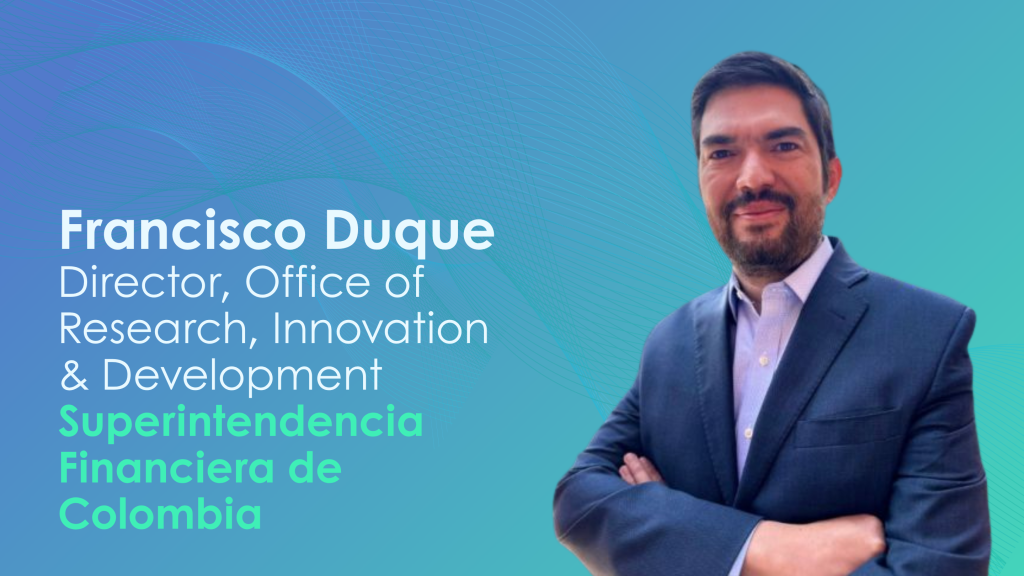
Colombia’s Financial Superintendency has developed the Criteria Panel, a digital platform that centralises and automates risk-based supervision across governance, capital, and liquidity dimensions. Combining Power BI dashboards, NLP, and AI modules, the tool is expected to reduce evaluation times by 60% and set a replicable model for regulators in emerging markets.
Leveraging Supervision Technology to Enhance Bank Liquidity Risk Oversight
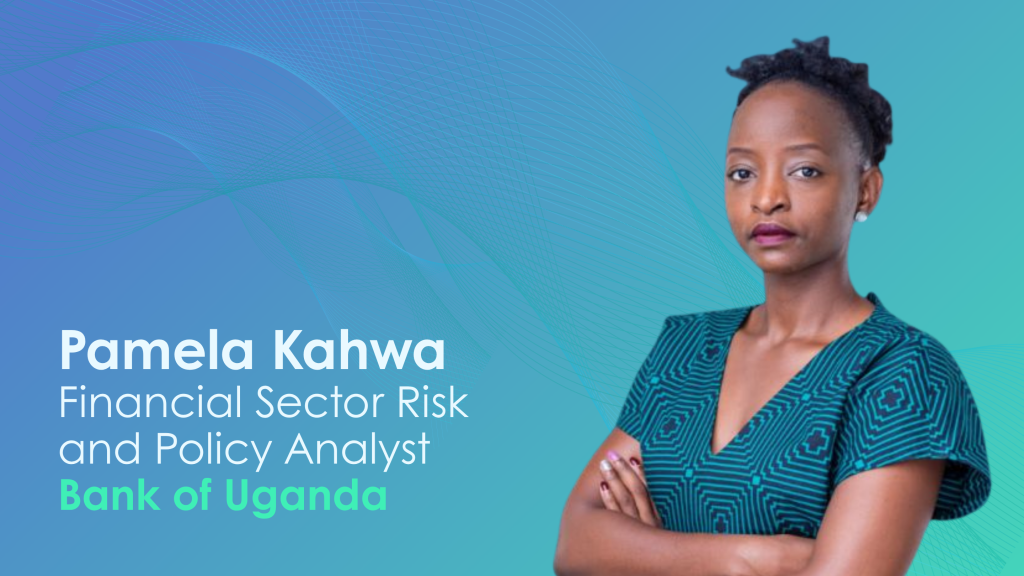
The 2008 financial crisis and the 2023 US banking turmoil exposed the limits of existing supervisory frameworks in capturing systemic liquidity risk, particularly as digital banking and non-bank financial institutions reshape funding dynamics. This blog outlines a comprehensive SupTech-enabled framework for liquidity supervision, covering automated reporting, stress testing, network analytics, and the practical challenges of adoption for emerging market authorities.
SupTech: Enhancing Insurance Supervision in the Digital Age
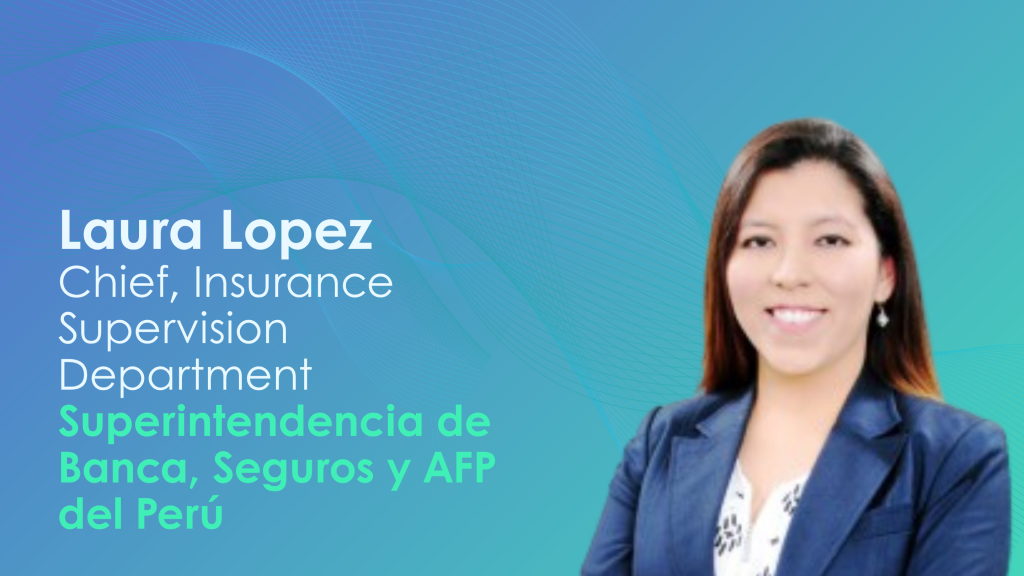
As the insurance industry undergoes rapid digital transformation, supervisors must evolve beyond traditional methods to embrace data-driven, AI-powered tools. This blog explores how SupTech solutions — from NLP-based market monitoring to automated underwriting review — are reshaping insurance supervision globally, with examples from MAS, the ECB, and France’s ACPR.